

You know what’s funny? People spend lakhs (sometimes crores) on high-tech RO or UF systems but forget the most crucial thing — pretreatment for membranes. And then, just months later, they wonder why performance drops, pressure rises, and the membranes are choking with scale.
The truth is, no matter how advanced your system is, if your feed water isn’t properly pretreated, scaling will sneak in like rust on metal — slow, silent, and destructive. This blog walks you through how proper pretreatment minimizes scaling, improves membrane efficiency, and saves you money in the long run.
So grab a cup of coffee (or chai), this is one topic worth understanding deeply.
Why Pretreatment for Membranes Is So Important
Let’s be real: membrane systems like RO, NF, and UF are amazing… but they’re sensitive. Feed them poor-quality water, and they’ll punish you with fouling, scaling, and crazy maintenance costs. Pretreatment acts like a protective layer, cleaning, conditioning, and balancing the water before it ever touches a membrane surface.
It’s not just about filtration; it’s about chemistry, physics, and a bit of patience. When done right, pretreatment prevents mineral deposits, reduces membrane-cleaning frequency, and significantly extends lifespan.
Think of it like brushing your teeth; skipping it once might seem fine, but over time, plaque (or in this case, scale) builds up.
Understanding What Scaling Actually Is
Scaling happens when dissolved minerals like calcium carbonate, silica, or sulfate salts start to crystallise and deposit on the membrane surface. Once that begins, the layer acts like armor, blocking pores and reducing water flow.
As the scale thickens, pressure increases, recovery drops, and energy costs shoot up. It’s basically a slow death for your system. The worst part? Scaling doesn’t just clog membranes it damages them permanently.
That’s why pretreatment for membranes isn’t a luxury; it’s a necessity.
The First Line of Defence: Physical Filtration
Before doing anything fancy, the simplest step is removing suspended solids and visible particles. Multi-media filters, sand filters, and cartridge filters are your best friends here.
They trap silt, dust, algae, and fine debris that would otherwise act as nucleation points for scale crystals to grow. A good filtration setup ensures your membrane isn’t acting like a dustbin.
If you’re running an RO plant, using a 5-micron cartridge filter before the membranes can make a huge difference. This small investment can double membrane life — seriously.
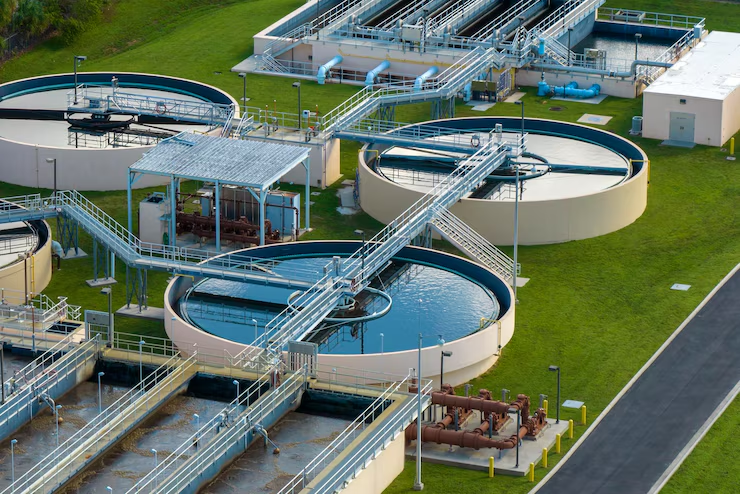
Tackling the Invisible Trouble: Coagulation & Flocculation
Sometimes, even after filtration, water contains fine colloids and organics that are too tiny to remove physically. That’s when coagulation and flocculation come into play.
Adding coagulants (like alum or ferric chloride) helps small particles clump together, forming larger ones that can easily be filtered out. This reduces fouling, improves downstream clarity, and makes scaling less likely.
If your feed source is surface water or industrial effluent, skipping this step is asking for trouble.
Controlling the Chemistry: pH and Hardness Adjustment
Here’s where things get slightly geeky (but in a fun way). Scaling is a chemical problem as much as it’s a physical one. When water has high hardness and alkalinity, scaling chances skyrocket.
By slightly lowering the pH (usually with sulfuric acid or citric acid), you can keep carbonates dissolved instead of precipitating out. But be careful, overdosing acid might cause corrosion or add sulfate scaling issues.
The trick is to maintain balance using the Langelier Saturation Index (LSI). It tells you whether water will dissolve or deposit scale-forming minerals. It’s like a cheat code for water treatment engineers.
Chemical Help: Antiscalants and Inhibitors
If your feed water has high TDS or scaling tendency, antiscalants are your secret weapon. These are speciality chemicals that delay or prevent crystal growth.
Modern antiscalants can control calcium sulfate, barium sulfate, silica, and even iron fouling. But one-size doesn’t fit all — every water chemistry demands its own formula.
Always go for a trusted brand and dose correctly (too little won’t help, too much can cause organic fouling). I’ve seen operators using antiscalants like magic potions — dumping more whenever pressure rises, but it doesn’t work like that. Precision matters.
Going a Step Further: Ultrafiltration or Microfiltration Pretreatment
For high-end or industrial applications, UF or MF membranes before RO can do wonders. They remove fine particles, colloids, and bacteria that even sand filters can’t handle.
It’s a more expensive setup initially, but the ROI is solid — fewer CIP cycles, higher recovery, and consistent performance. Many advanced plants now use UF-RO hybrid systems to ensure the main membranes stay clean and efficient.
If you’re designing a new system or upgrading, consider this combo seriously.
When Hardness Hits Hard: Ion Exchange & Softening
Sometimes, the hardness levels are so high that even antiscalants and pH control can’t cope. That’s where ion exchange softeners come in.
By exchanging calcium and magnesium ions with sodium, these systems drastically cut scaling potential. They need regeneration and maintenance, yes, but they work beautifully for high-hardness regions like central and western India.
Adding a softener upstream from your membrane system can transform your operations — especially for industrial or hotel applications.
The Overlooked Hero: Regular Monitoring & Cleaning
Pretreatment doesn’t end once the water enters the membrane system. It’s an ongoing process.
Keep an eye on parameters like SDI (Silt Density Index), pH, hardness, silica, and conductivity. Sudden jumps in differential pressure or drop in permeate flow? That’s your early warning system yelling for help.
Schedule regular clean-in-place (CIP) routines, not just when the membrane “feels dirty.” Preventive maintenance always costs less than emergency replacements.
And hey, record everything. Data trends often tell you what operators miss.
Common Mistakes People Make in Pretreatment
Let’s be honest, even experienced teams mess this up. A few classic mistakes include:
- Using the wrong antiscalant for their water type.
- Ignoring seasonal changes (monsoon water chemistry is totally different!).
- Over-acidifying or under-monitoring pH levels.
- Thinking of retreatment as a one-time setup instead of a living system.
- Skipping maintenance because “it’s running fine.” (Famous last words.)
Avoid these, and you’re already ahead of half the plants out there.
Bringing It All Together
At the end of the day, pretreatment for membranes is all about balance between physics, chemistry, and operational discipline. When you filter right, adjust chemistry wisely, use smart additives, and monitor regularly, your membranes reward you with smooth performance and long life.
Pretreatment might not look glamorous, but it’s the quiet backbone of every successful water treatment system.
And if you’re ever planning or optimising your setup, take it from me, invest time and care in pretreatment. Because once scale sets in, there’s no quick fix, only regret and replacement bills.
Want to dive deeper into specific membrane maintenance practices or the latest antiscalant technologies? You can explore advanced resources on membrane filtration or check modern solutions from trusted water treatment suppliers like Toray Water Solutions.
Also, if you’re running a commercial or residential system, make sure your local supplier offers full pretreatment kits — not just membranes. That’s the small detail that separates average systems from great ones.
In short, scaling is preventable, but only if you respect pretreatment. Treat your water before your membranes, and your membranes will treat you kindly in return.

